
The Renaissance of Craftsmanship and Handmade Products
Introduction: A Return to Authenticity
The renaissance of craftsmanship is reshaping how people view value and quality in products today. In a world dominated by mass production and digital speed, handmade items offer something different. They carry stories, heritage and a human touch that machines cannot replicate. As consumers become more mindful, they seek authenticity, durability and emotional connection. This shift is not only about objects—it is about identity and culture.
Why the Renaissance of Craftsmanship Matters
People are rediscovering the importance of handmade goods in daily life. Clothing, furniture, and accessories made with skill stand apart from fast fashion and disposable products. Moreover, craftsmanship often preserves traditional techniques that might otherwise disappear. Supporting artisans means keeping alive cultural knowledge and local economies. In addition, handmade objects inspire pride because they feel personal and unique.
Craftsmanship in the Digital Age
Technology has not erased craftsmanship; instead, it has created new opportunities. Online platforms allow artisans to share their work with global audiences. Small workshops can now reach customers who value authenticity. Furthermore, digital storytelling helps people understand the time and effort behind each piece. As a result, handmade products are finding a new place in modern markets.
The Renaissance of Craftsmanship and Sustainability
Craftsmanship aligns closely with sustainability. Handmade products are usually built to last and often use natural or recycled materials. At the same time, they are produced in smaller quantities, which reduces waste. Consumers who care about the environment see craftsmanship as a responsible choice. This connection between heritage and sustainability makes handmade items even more attractive.
Handmade Luxury and the Modern Consumer
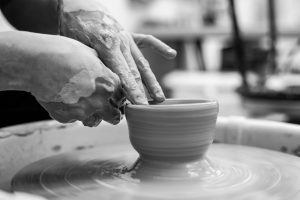
Luxury is being redefined. In the past, it was about rare materials or high prices. Today, true luxury often means time, attention and individuality. Handmade products embody these qualities. They are not only functional but also symbolic. Consequently, owning a handcrafted item feels like participating in a story. For many buyers, this is more valuable than a mass-produced logo.
Conclusion: Crafting the Future
The renaissance of craftsmanship shows that progress is not only about speed and scale. It is also about slowing down and appreciating detail. Handmade products offer cultural depth, sustainability and personal meaning. As this movement grows, it reminds us that the human touch still matters in an automated world.